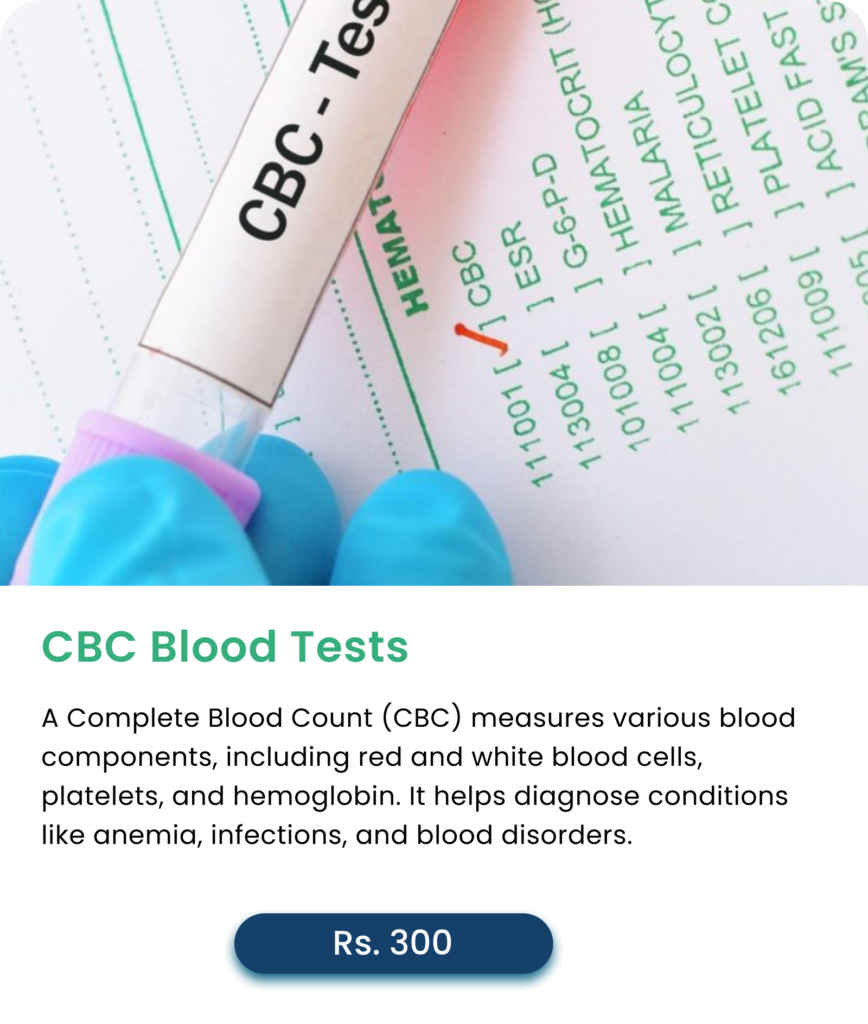
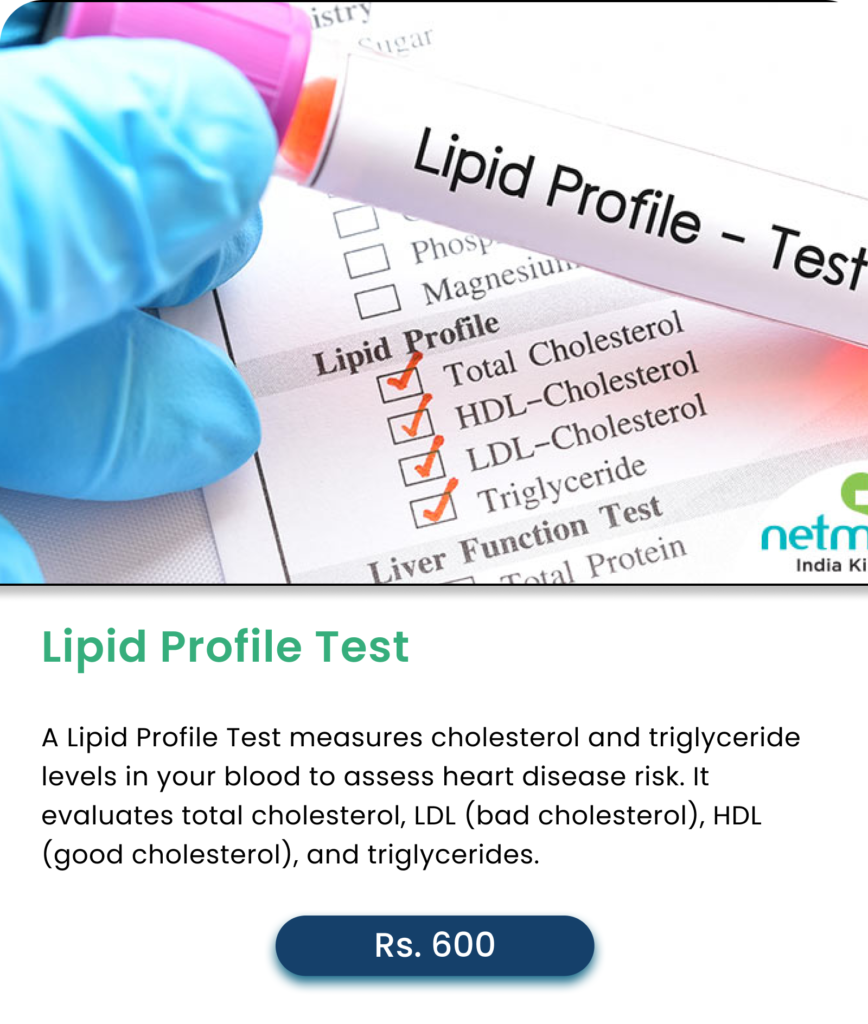
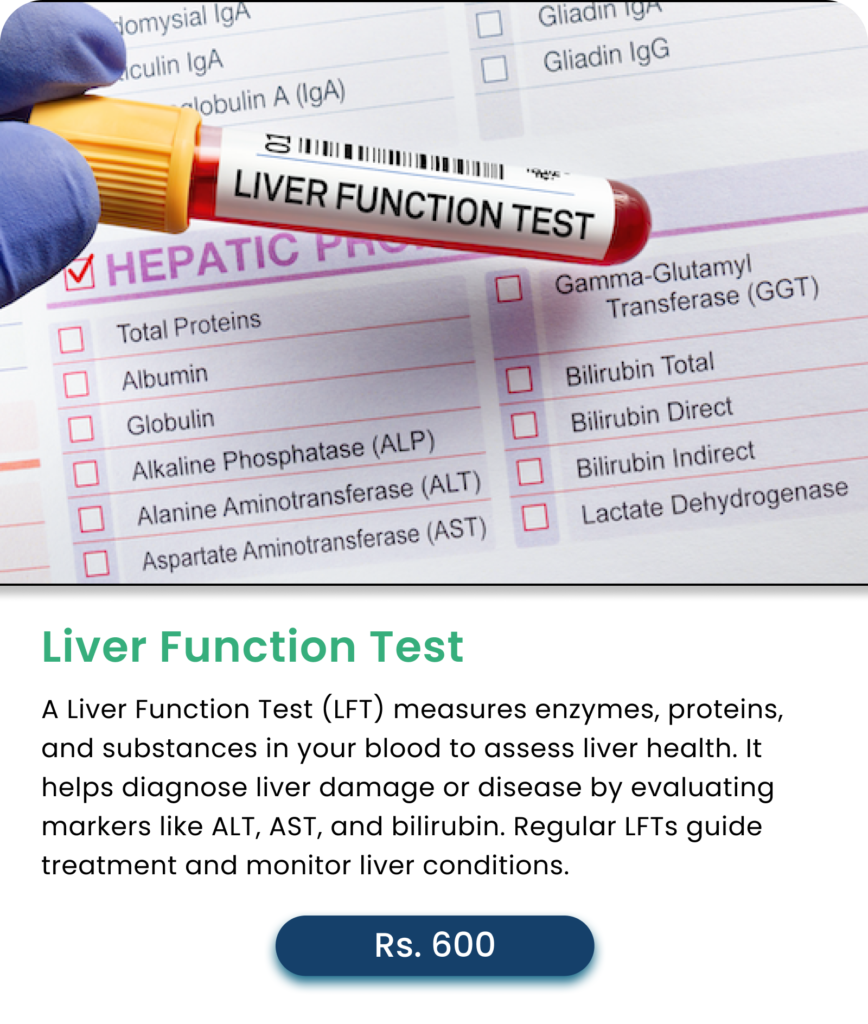
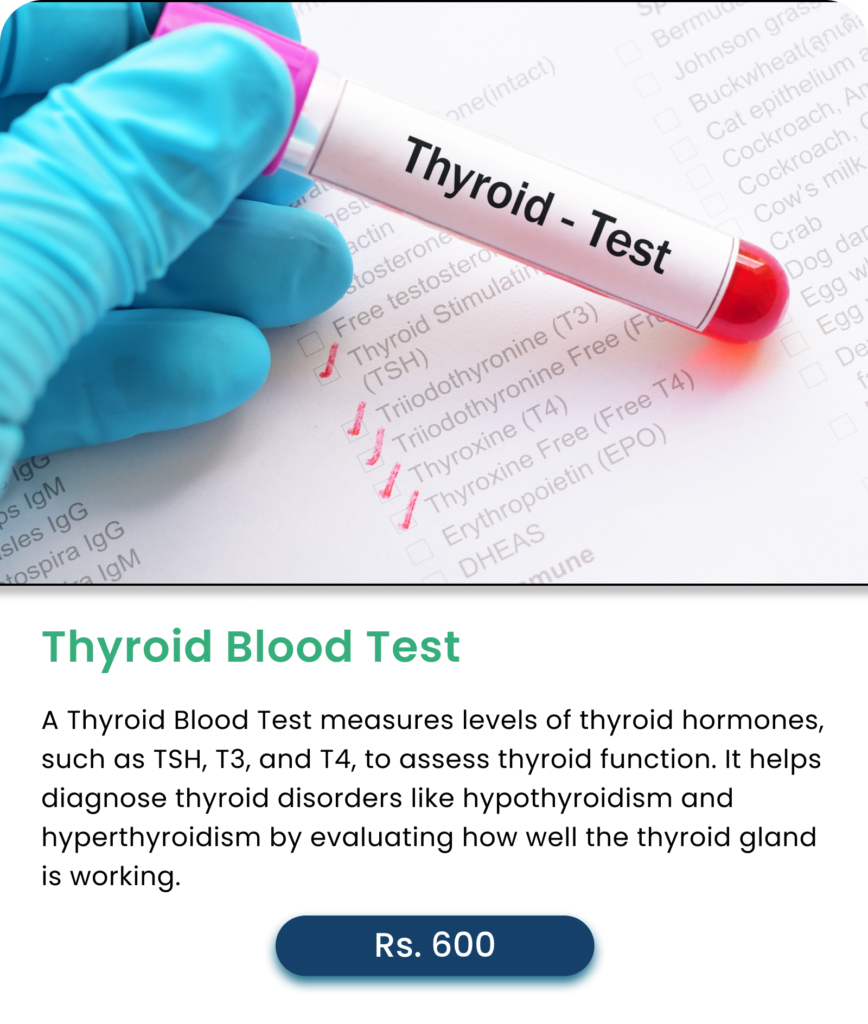
Blood tests are vital for diagnosing and monitoring health conditions. A Complete Blood Count (CBC) checks for infections, anemia, and immune issues. A Lipid Panel measures cholesterol to assess heart health, often recommended for those at risk of heart disease. The Blood Glucose Test monitors blood sugar levels and helps diagnose diabetes. Liver Function Tests (LFTs) evaluate liver health if there’s concern about liver disease. Each test is conducted based on symptoms or risk factors to guide diagnosis and treatment.
Yes, CT scans are generally safe. They involve low levels of radiation, and the benefits of accurate diagnosis typically outweigh the risks. Your doctor will only recommend a CT scan if necessary.
Preparation depends on the type of scan. You may need to fast for a few hours or avoid certain medications. Your healthcare provider will give specific instructions before your scan.
During the scan, you will lie on a table that slides into a large, doughnut-shaped machine. The procedure is painless and usually takes 10 to 30 minutes, depending on the area being scanned.
Your doctor may recommend a CT scan to diagnose or monitor conditions such as tumors, infections, or internal injuries, or to guide procedures like biopsies or surgeries. It’s a key tool for getting detailed information about your health